
Why This Matters: The Silent Threat of Inactivity
South Africa faces a growing crisis of non-communicable diseases (NCDs) like diabetes, hypertension, and obesity. With 47% of adults reporting no physical activity and 19.8% meeting World Health Organization (WHO) exercise guidelines, inactivity is a major driver of preventable health issues. The economic and personal toll is staggering: NCD-related deaths rose by 58% between 1997 and 2018, while nearly 40% of adults are overweight. This article explores how tiny, everyday movements can combat this trend without requiring gym memberships or rigid routines.
Why Structured Workouts Aren’t the Only Solution
Many South Africans believe physical activity must involve structured exercise—gym sessions, running, or cycling. However, research challenges this “all or nothing” mindset. Studies show that even short bursts of movement, such as 1–5 minutes of activity, can enhance health. For office workers, who sit for prolonged periods, interventions like sit-to-stand desks have reduced sedentary time and slightly improved markers like blood pressure and body mass index (BMI). These findings underscore that movement doesn’t need to be intense or time-consuming to matter.
The Power of Incidental Movements
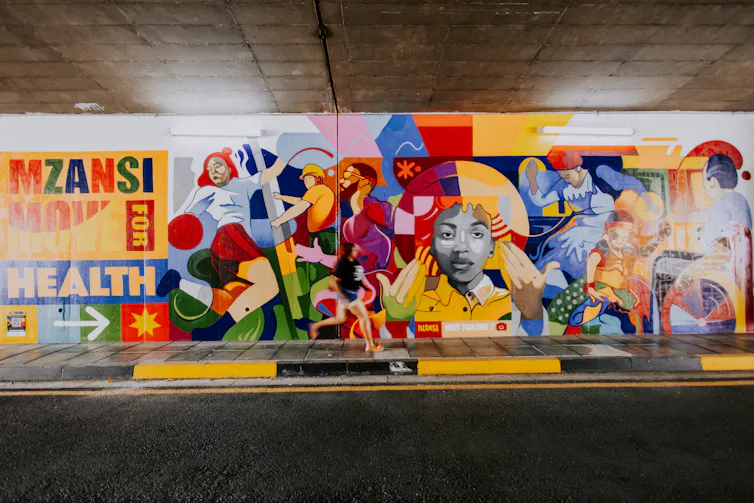
“Incidental” activities—those woven into daily life—are often overlooked but highly impactful. Housework, gardening, or even washing windows involves squatting, stretching, and sustained motion, engaging multiple muscle groups. For instance, sweeping a floor or mopping can burn calories comparable to light exercise. In urban settings like South Africa, where safety concerns limit outdoor activity, creative solutions are key. Our “Mzansi, What’s Your Move?” campaign uses comics and murals to highlight simple actions: taking the stairs, walking to a nearby water station, or stretching during meetings. These efforts aim to normalize movement as part of routine life.
Active Commuting: Turning Travel into Exercise
Walking or cycling to work or school isn’t just eco-friendly—it’s a practical way to accumulate physical activity. Research links active commuting to lower body fat, reduced blood pressure, and better mental health. However, challenges like unsafe roads and crime deter many South Africans. To address this, communities can advocate for safer infrastructure: maintained sidewalks, bike lanes, and well-lit parks. Group walking clubs or corporate initiatives to promote standing desks also help. For example, centralizing office supplies encourages short walks, turning idle time into movement.
Take Action: Simple Changes for Better Health
You don’t need a gym to improve your health. Start by incorporating “movement snacks”—brief activities throughout the day. Here are actionable steps:
- At work: Use stairs instead of elevators, schedule walking meetings, or set reminders to stand every hour.
- At home: Turn chores into exercise by dancing while cleaning or doing squats while washing dishes.
- In communities: Join local walking groups or advocate for safer public spaces.
These small changes add up. Even modest increases in daily activity can reduce NCD risks, strengthen muscles, and boost mental well-being.
Regional Context: Lessons for Southeast Asia
South Africa’s challenges mirror trends in Malaysia and Southeast Asia, where urbanization and sedentary jobs are rising. For instance, office workers in Kuala Lumpur or Jakarta could benefit from similar interventions, such as height-adjustable desks or workplace movement campaigns. Tailoring strategies to local safety and cultural norms is essential for success.
Medical Disclaimer
The information provided is for general knowledge and does not constitute medical advice. Always consult a healthcare professional before starting new physical activities, especially if you have pre-existing conditions.


