Why Healthcare Innovation Matters in APAC Today
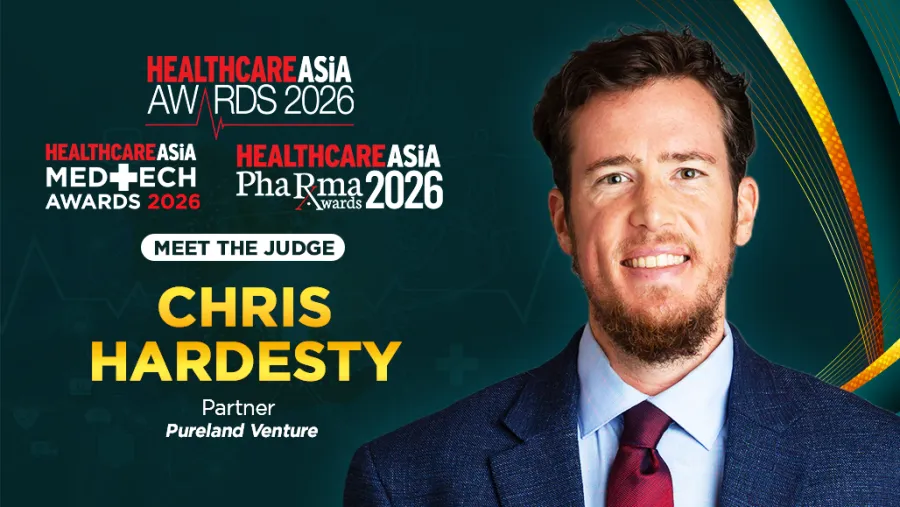
The Asia Pacific region faces unprecedented challenges in healthcare delivery, from rising non-communicable diseases (NCDs) to fragmented systems struggling with resource constraints. As highlighted by Chris Hardesty, a partner at Pureland Venture, the focus must shift from merely expanding health coverage to building systems capable of delivering equitable, high-impact care through innovation. This requires a paradigm shift in how governments, providers, and policymakers approach healthcare technology and policy.
Key Policy Barriers to Equitable Care
Achieving universal health coverage (UHC) remains a critical goal, but Hardesty notes that progress has plateaued in many APAC nations. A major obstacle is the evolving nature of health needs. As diseases like diabetes and heart disease become more prevalent, traditional UHC models—focused on basic services—fail to address long-term management. Additionally, financing gaps persist. While UHC has been successful in expanding access, it is increasingly insufficient for advanced diagnostics or treatments. Hardesty advocates for hybrid financing models that combine public funding with private innovation to sustain healthcare systems.
The Government’s Role in Enabling Medical Technology
Governments play a pivotal role in fostering the adoption of safe, affordable medical technologies. Hardesty outlines three key strategies:
- Investing in Innovation Ecosystems: Direct funding for research, clinician training, and infrastructure development can accelerate the integration of new technologies.
- Adaptive Regulation: Regulatory sandboxes and flexible reimbursement models allow startups to test solutions without stifling progress. For example, Singapore’s approach to digital health tools offers a blueprint for balancing safety with innovation.
- Long-Term Commitment: Healthcare innovation requires patience. Projects like AI-driven diagnostics may take years to yield returns, but they are vital for future resilience.
Operational Challenges in Hospitals: Can Innovation Help?
Hospitals in APAC operate under dual pressures: rising patient demand and shrinking resources. Workforce shortages, aging populations, and supply chain disruptions exacerbate these challenges. Hardesty argues that innovation must address both technological and managerial gaps. For instance, AI-powered triage systems can optimize resource allocation, while digital health records improve coordination between providers. Crucially, hospitals must cultivate a culture of innovation, moving beyond incremental changes to systemic transformation.
Advice for Founders in Fragmented Systems
In resource-limited or fragmented healthcare markets, founders often face structural barriers. Hardesty advises embracing a “frenemies” mindset—collaborating with competitors, incumbents, or even regulators to pool resources. For example, partnerships between tech startups and public hospitals can create scalable solutions tailored to local needs. Persistence is key; incremental steps, even in challenging environments, can lead to meaningful impact.
Digital Health Standards: Toward Regional Cohesion?
APAC’s diverse healthcare systems present both opportunities and challenges for digital health. While frameworks like HL7 promote interoperability, local implementation varies widely. Hardesty believes the region will not achieve full unification but can benefit from shared knowledge. By focusing on patient-centric care pathways rather than institutional boundaries, APAC can leverage its diversity to drive innovation.
What the Future Holds for APAC Healthcare
The region’s healthcare landscape is evolving rapidly. From intrapreneurship within hospital groups to workforce development programs, there are clear signs of progress. However, sustaining this momentum requires collective action. Governments must act as catalysts, creating policies that support innovation while ensuring accessibility. For patients, this means better outcomes; for providers, operational efficiency; and for innovators, new opportunities to address pressing health needs.
Medical Disclaimer
The information provided in this article is for educational purposes only and should not replace professional medical advice. Always consult a qualified healthcare provider for diagnosis, treatment, or health-related decisions.