
Understanding the Hidden Impact of COVID-19 on the Brain
While the respiratory challenges of COVID-19 are widely recognized, emerging evidence suggests the virus’s effects extend far beyond the lungs. Studies indicate that even individuals who have fully recovered may experience lasting neurological changes, potentially impacting memory, focus, and overall brain function. This discovery underscores the importance of understanding how SARS-CoV-2 interacts with the central nervous system.
How Researchers Uncovered Brain Changes
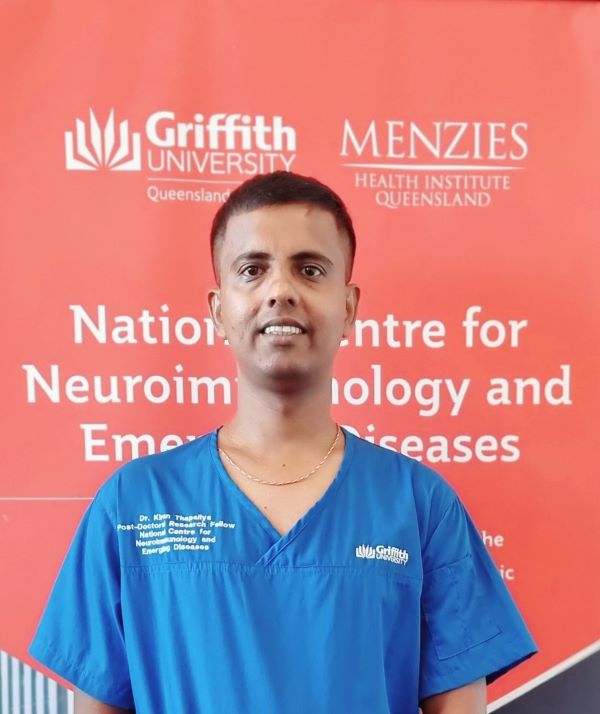
A groundbreaking study led by scientists at Griffith University’s National Centre for Neuroimmunology and Emerging Disease (NCNED) used advanced MRI technology to compare brain scans of recovered COVID-19 patients with those who had never been infected. The research revealed measurable differences in both grey matter (involved in processing information) and white matter (critical for communication between brain regions). These changes were observed in areas associated with cognition and memory, even in participants reporting no ongoing symptoms.
The Science Behind the Findings
Using multimodal MRI techniques, researchers analyzed neurochemical profiles, tissue structure, and brain signaling. Results showed that COVID-19 alters key brain markers, including neurotransmitter levels and white matter integrity. Notably, these changes correlated with the severity of symptoms during infection, suggesting that the extent of neurological impact may depend on how ill a person became initially.
Why This Matters for Long COVID and Beyond
The findings highlight a potential link between SARS-CoV-2 and Long COVID, a condition characterized by persistent symptoms like brain fog and fatigue. While the exact mechanisms remain under investigation, theories suggest the virus may trigger inflammation or disrupt neural pathways. These insights could pave the way for early interventions to mitigate long-term cognitive effects, particularly for vulnerable populations.
Regional Context: Southeast Asia and Beyond
In Malaysia and Southeast Asia, where COVID-19 surges have been significant, this research holds practical relevance. Local healthcare systems are increasingly encountering cases of post-acute neurological symptoms, emphasizing the need for further studies tailored to regional demographics and healthcare access.
What Can Individuals Do?
While more research is needed, experts recommend monitoring cognitive changes post-infection and seeking medical advice if memory lapses or concentration issues persist. Early assessments by neurologists or neuropsychologists may help identify at-risk individuals and guide personalized care strategies.
Expert Perspectives and Future Directions
Professor Sonya Marshall-Gradisnik, director of NCNED, emphasizes that these discoveries mark a shift in understanding COVID-19 as a systemic illness. “This research challenges the notion that the virus only affects the lungs,” she states. The team plans to expand studies to explore targeted treatments for brain-related symptoms.
Funding and Collaborative Efforts
The study was supported by ME Research UK and the Stafford Fox Medical Research Foundation, highlighting global interest in addressing post-COVID neurological sequelae. Collaborative efforts like these are crucial for translating scientific findings into actionable healthcare solutions.
Important Medical Disclaimer
This article summarizes peer-reviewed research and is not a substitute for professional medical advice. Individual experiences with COVID-19 vary, and neurological symptoms should be evaluated by a qualified healthcare provider.


